Showing posts with label Sundog. Show all posts

Wednesday, December 9, 2020

The Challenge of the Winter Moons, Winter Solstice Time of Hope & Light

Above, "Snowshoe Dance at the First Snowfall, 1835-1837," by George Catlin.
The Challenge of The Winter Moons
Winter Solstice Time of Hope & Light

By Dakota Wind

Winter lasts five moons in the traditional Očhéthi Šakówiŋ calendar. 

The snow made hunting easier. When the first snow fell, Očhéthi Šakówiŋ men put on snowshoes and danced. They sang a song of Wópila (Thanksgiving) to Creator for sending snow. Snow may fall as early as Čhaŋwápe Ǧí Wí (the Moon when the Leaves turn Brown), or September, on the northern plains, but that doesn’t make it a snow moon. Generally, Waníyetu Wí (the Winter Moon), the first moon of winter is about the month of November.

Waníčhoka Wí (the Midwinter Moon) is about the month of December. According to Haŋwíyawapi Wičhóȟ’aŋ (the Moon Counting Tradition), each moon may be known by more than one name. The Midwinter Moon might also be called Tȟahékapšuŋ Wí (the Moon when Deer shed their Antlers). The Midwinter Moon may also be called Haŋyétu Háŋska Wí (the Long Night/Nights Moon).

The natural observation of the winter solstice was over the span of four days/nights. On contemporary calendars, this might be the nights of December 19-20, 20-21, 21-22, and 22-23. Astronomy informs us that the 2020 winter solstice will be on Monday, December 21, at about 4:02 AM CST. 

During these long nights, the Očhéthi Šakówiŋ gathered together in their lodges in wóčhekiye (prayer). There was no universal special prayer. The Očhéthi Šakówiŋ didn’t have formal prayer together as Christians do. Rather, an individual fostered his or her own relationship with Creator. While there might not be collective formal observance there were some things they did together.

Haŋyétu Háŋska Wí él Pahá Makȟásaŋ, or The Long Night Moon at White Earth Butte. A watercolor pictographic representation of the midwinter moon. Appearing upside-down at the top of the image is a profile view of that summit from the south looking north. 

The Winter Solstice was a special time. The Očhéthi Šakówiŋ shared many stories, among which was the story cycle of the cultural hero Wičháȟpi Hiŋȟpáye (Fallen Star, or “Star Boy”). Sometime during the longest night of the year his star, in the constellation commonly known as Auriga, rises above Pahá Makȟásaŋ (White Earth Butte, or “White Butte,” the highest point in North Dakota). In his last day among the Očhéthi Šakówiŋ he hiked to the summit with his kȟolá (his lifelong best friend; him who he did everything with as a brother) where Fallen Star lay down, died, and transformed into light. He rose into the sky to take his place in the heavens with his father Wičháȟpi Owáŋžila (the Star that does not move), or North Star, and from there sends rays of light and hope to his people. Fallen Star broke the trail so that the Očhéthi Šakówiŋ may return to the sky after death.

I asked Lekší Virgil Taken Alive about winter solstice observations, and he shared this incite: they prayed. “When I was a younger man I heard that this was the start of preparation for the upcoming times of ceremony,” he said. They smudged their čhaŋnúŋpa (sacred pipe), čhaŋčhéǧa (drum), and such that they held sacred. “After Čhaŋnápȟopa Wí (the Moon of Popping Trees) they went out to gather Čhaŋšáŋšaŋ (the inner bark of the Eastern Dogwood, or ‘Red Willow’),” he concluded. 

Wiótheȟika Wí, or the Moon of Difficult Times. The rib lines demarcate the concept for hunger.

The month following Waníčhoka Wí was a challenging one. They called it Wiótheȟika Wí (the Moon of Hard Times). 

Lekší Kevin Locke offered this retrospective of the Midwinter Moon, “In most accounts of pre-reservation days it seems to be a time when folks could enjoy the success of their winter preparation.” Locke reflected on the following month, Othehike Wi (the Moon of Difficulties), had good reason for being thusly named. 

Indeed, the Moon of Hard Times is represented in Plains Indian pictography as a figure with rib lines (to denote hunger) above an inverted crescent moon (the month). It can even be represented with an empty meat rack (another sign of hunger) above the sign for the moon or month.

Further, winter counts recall the most challenging winters. The High Dog Winter Count recalls the summer of 1800 as one of the most challenging years to survive. The summer heat was unbearably hot. The great gangs of bison went away, and hunting was poor. Flowers disappeared from the landscape, and the wind drank up the water. The birds refused to sing too.

A punishing winter followed, as remembered in the White Bull Winter Count.


Winter came, snow and ice were everywhere. A group of Lakȟóta decided to move winter camp from the bottomlands of one river to that of another. As they moved over the high plains, a blizzard caught them. Gradually some of them began to succumb to the cold and fell. As one person fell, another lifted and carried him or her for the rest of their journey. Kičhíč’iŋpi keúŋkiyapi, “They say that they carried each other.” 


Thiyóȟeyuŋka Wí, or the Frost in the Lodge Moon. A view of the interior of the lodge looking up through the smoke hole as a few snowflakes enter.

In a communique with Dallas Nelson, an educator and second language learner of Lakȟóta, Nelson shared what he learned from his lekší and other relatives in his community, “Aŋpétu Wí kiŋ haŋbléčheyapi iyéčheča hečhé, it appears as if the Sun were on a vision quest. For those four days the sun prepares himself. Readies himself for the coming seasons. A medicine man may offer prayer or hold ceremony during the winter solstice. He prays for that season [winter].” Nelson noted that they “cleanse each other,” he said, and they smudge their hóčhoka (the ground upon which they have ceremony) and their čhaŋnúŋpa. 

“They tell traditional stories after sundown in the winter months,” said Nelson. He shared a traditional warning too, “they say if you tell stories at the wrong time you’ll get hairy!” As for the winter solstice, he concluded to me that observations during the winter solstice was a sacred time and that prayer was highly individual, concluding, “Many people pray at home.” 

Throughout the winter moons they sheltered in place, from about the time we call today November to about March or April. The men prepared themselves for the coming seasons. They worked on their bows, made arrows, and other needed tools. Hunting parties went out from time to time when their meat supply ran low. Severe winters brought starvation. The women kept busy too, they made and repaired winter apparel, gathered wood and water, and kept a kettle of soup ready. 

The late Harriet Skye informed me during the difficult times of winter the mothers and grandmothers reached into a pouch containing Haȟúŋtahu kiŋ Sú (Blue Flax Seed) and drew forth a handful. “They added that to their soup to make it go further. When unexpected company came they did this too. Where the grandmas were prepared to feed all within their lodge, a moment later they could feed many more. They were prepared to share.” The harsh winter taxed their supply of precious seed. 

Ištáwičhayazaŋ Wí, or the Sore Eyes Moon. The last winter moon on the traditional calendar. The name for this moon and the pictograph represent the concept of snowblindness.

The Flame Winter Count recalls the winter of 1845-1846, as a winter feast. That winter took a toll on the people and there wasn’t enough food to go around. A young man they called Curley Hair (he would later be known as Crazy Horse) rode through camp calling the people to his family’s lodge where they had food. 

The Battiste Good Winter Count recalls the winter of 1720-1721 as a starvation winter. Three lodges of people died. The pictograph for this year denotes a man standing next to a lodge, his ribs are showing. Going out in the winter, whether to make war on an enemy or to hunt, could prove disastrous; a later entry in this same winter count for 1738-1739 informs us of a war party that went out and perished in the cold. 

Starvation in the winter moons made the people consider eating things that they wouldn’t normally consume. Drifting Goose recalled the winter of 1689 as the winter that they ate their own with great difficulty. White Cow Killer recalled the winter of 1839-1840 as the year they ate horses they captured from the Pawnee. In a later entry of his winter count, Drifting Goose recalled the brutal near-starvation conditions of winter internment at the Fort Snelling prison camp in 1865. 

The Blue Thunder Winter Count recalls the winter of 1788-1789 as a deadly cold winter. It was so cold the birds fell dead from the sky. A dead crow bird represents the concept for this year’s entry. 

Winter took its toll on the horses too. The Cloud Shield Winter Count recalls the winter of 1865-1866 as the year they lost many horses to starvation. 

The fourth moon of winter, Thiyóȟeyuŋka Wí (the Moon When Frost Enters their Lodges), informs us of the lingering cold. The long winters took a toll on the people. Long cold nights, short gray days. Today that emotional toll is known as Seasonal Affected Disorder (SAD), but long before the medical diagnosis the Očhéthi Šakówiŋ this winter stress as Čhantípiskiče (Something pushing against his/her/their heart/s). 

Wíačhéič’ithi, the Sun makes a fire for himself. This winter feature in the sky is commonly known as a "Sundog." In this image, it appears above the Little Apple Creek Fork in the Missouri River valley.

Regarding the cold gray that settles into one’s heart during the winter, Lekší Cedric Good House shared the story of Wíačhéič’ithi (the Sun makes a fire for himself). Long ago during a bleak seemingly endless winter. Many days had passed since they last saw the sun. The people called for council in the middle of winter camp. After prayer and deliberation, they built two fires east of camp. As they prayed for a break in the weather, the sky began to lighten and the clouds dissipated, the winds calmed, and the sun broke through. As the sun ascended into the sky, the two fires east of camp rose up into the sky on each side of the sun. I vaguely recollect lalá Innocent sharing this with me as a young boy. Lekší Cedric remembered lalá Ed Good House (Innocent’s older brother) sharing this story. Iná Carmine Good House (my mother’s sister) recalled that the winter gloom caused the people to have bad dreams, which was the impetus for calling a council in the middle of the camp.

The end of winter was marked by natural signs. When the ice broke. When the first flower Hokšíčhekpa, what settlers call the Pasque Flower, blossomed - often when snow was still on the ground. When the geese returned. When the meadowlarks sang out, “Oíyokhipi! Omákȟa tȟéča,” or “Take pleasure! The world is anew!” 

Lekší Kevin thoughtfully shared a benediction, the kind of prayerful and hopeful philosophy that is embraced by the Očhéthi Šakówiŋ during difficult times. He said, “Although surrounded by adversity, nonetheless, may you safely emerge on the other side.” I inquired with both Lekší Kevin and Lekší Virgil how I might best articulate this Lakȟól’iya. 

Akhé Haŋyétu Háŋska Wí ú. Akhé kičhíč’iŋpi kte. Ohómni wótheȟike ečhéča takómni uŋmáčhetkiya yakpáptapi kta héčha. Mitȟákuye Owás’iŋ.  Again, the Long Night Moon approaches. Again, let’s carry each other. Although surrounded by adversity, nonetheless, may you safely emerge on the other side. All my relatives. 


Monday, November 18, 2013

The Wind Is The Spirit Of The Great Plains

Tȟaté’káoškokpa (Canyon Made-By-Wind), or Wind Canyon, along the Heȟáka Tȟa Wakpá (River Of Elk; Little Missouri River) in Makȟóšíća (Badlands, N.D.; Theodore Roosevelt National Park).
The Wind Is The Spirit Of The Great Plains
The Sky In Word, Pictograph, And Sign
By Dakota Wind
THE GREAT PLAINS - The wind has been a constant presence on the open prairie since creation, and has shaped the landscape with its caress. It races across the open sky with the summer and winter storms, and flows about the landscape playfully, fitfully, and angrily. It is the very essence of the Great Plains.

The Lakȟóta have several words for the wind and its attributes such as tȟaté (air in motion), uyá (to blow leeward of the wind), kaȟwókA (to be carried along with the wind), ikápȟaŋyaŋ (to be beaten down by the wind, as with grass) or itáglaȟweya (with the wind). OkáluzA, or ičáluzA, refers to a breeze.


When a strong wind is present, or suddenly appears, during prayer or at a gathering, the wind might even be referred to as takú wakȟáŋ škaŋškáŋ (something with great energy is moving). A whirlwind is called tȟatéiyumni, which some regard as a sign that a spirit is present.

There is only one word to describe a windless day, ablákela (calm or quiet).

When the wind blows cold, such as it does in the winter months, the Lakȟóta refer to it as tȟatóšni. The cold winter wind had a story of its own, and in the days of legend, before steamboats and trains, before soldiers and missionaries, when the camps moved across the prairie steppe in the fall to establish winter camps, they told the story of Wazíya, that which some call a giant, or the Power Of The North. Wazíya blew his cold breath across the world. 


The blizzard is known to the Lakȟóta as Iwóblu. 

But even the wind has an origin. There are various stories about the wind, but the basics are that after creation, Tȟaté (Wind) took the daughter of Old Man and Old Woman, Ité (Face) as his wife. They had four sons, the Four Winds. Iŋktómi, the Lakȟóta trickster, persuaded Ité to begin an affair with Wí (the Sun) to gain status. 


The affair backfired, and Takú Wakȟáŋ Škaŋškáŋ gave Haŋwí (the Moon) her own domain, and sent Old Man and Old Woman to earth along with Ité. Ité was ever after parted from her husband, Tȟaté, and their four sons. Ité, however, had a fifth son, Tȟatéiyumni (Whirlwind). Woȟpá (Falling Star Woman), daughter of Wí and Haŋwí, was sent to earth. Woȟpá became the wife of Okáǧa (the South Wind) and they raised Tȟatéiyumni as their son.

They say as the summer wanes and turns to autumn, the wind changes with the weather. That change in the wind is the breath of North. The cold was and is deadly, never to be feared, but respected. The North spreads his robe across the sleeping land. The North makes hunting game easier to track. In fact, the Lakȟóta used to dance in snowshoes in the blanket of the first snowfall. They rejoiced in the weather and embraced the deep cold. 


In the spring or autumn mornings, in the early morning just as the sun rises, there appears a mist. The Lakȟóta call this Aŋptȟáŋiya. Regular fog is P'ó. 

Sometimes the winter seems like it will never end, even for people who’ve lived here for thousands of years. Gray skies smother the light for days on end. Everywhere the land is monochrome. Months without color took its toll on the people. These days it’s called Seasonal Affective Disorder (SAD).

For the Lakȟóta people, even the winter holds the promise of light and hope.

On cold days one might see what they call a sundog, but its not every cold day that features a sundog. The ancient Greeks called it a “mock sun.” The Romans called it a “double sun.” The English in the early 1400s said the sundog was a representation of the Holy Trinity.


This Campfire-Of-The-Sun is seen here above the Mníšoše (Water-Astir; Missouri River) and Iŋyáŋ Wosláta Oyáŋke (Where Standing Rock Dwells), the Standing Rock Sioux Indian Reservation

The 
Lakȟóta call the sundog Wíačhéič’ithi which means The Sun Makes A Campfire For Itself. The story of this beautiful name for this awesome phenomenon comes to me from Cedric Good House: A long time ago the people experienced several days of bleak grayness. People began experiencing bad dreams and others became depressed. It was the bad dreams that haunted the grandchildren that moved a grandfather to leave his village to pray for an end to the grayness. When he returned he called everyone in to the center of the village and selected two groups of young men to go the east of the camp and build two campfires. They did as they were told and returned to the camp where the people prayed. A lightening of the grayness indicated that morning had arrived. The clouds broke and the sun burst through the grayness. As the sun rose above the horizon, the campfires ascended into the sky with it. The people rejoiced and sang.

Just as there are several words for wind, the Lakȟóta have some words for clouds, which are of the sky. Maȟpíya in itself is a reference to the sky, or heavens. Maȟpíya tȟó, is the blue sky. Maȟpíya šápe is dark clouds. Maȟpíya akáȟpA is a cloudy overcast. Maȟpíya naȟléčA literally “the sky tears,” is a reference to a cloud burst of rain. Maȟpíya okáksaksa is partly cloudly. Maȟpíyaya is cloudy. Čhumaȟpiya means “dew clouds” or “vapor clouds.” Op’ó is a cloud of dust or steam. OkpúkpA is cloudy, hazy, or unclear. Makȟóp’oya is a cloud of dust.

When the Christian missionaries arrived they needed to articulate the Kingdom of Heaven, and coined the term Maȟpíya Wókičhuŋze, which literally means “Kingdom of the Sky.”


The northern lights above North Dakota. Unknown photographer.

The northern lights mean something very special to the Lakȟóta. Maȟpíya Tȟaŋíŋ is the northern lights, but is literally, “Buffalo-hair Sky.” Wanáği Tȟawáčhipi, a reference for the northern lights meaning “Dance Of The Spirits,” and there’s a story, or experience, about out there but it won't be shared here. Haŋwákȟaŋ, another word for the northern lights, literally means “Night With-Energy.” It was a tradition of some Lakȟóta to burn incense, sweet-grass or cedar, when the northern lights appeared.

Sometimes, just as there is no wind, there are no clouds in the sky. There are a few ways of describing a day without clouds: Maȟpíya waníče, there are no clouds. Waŋžíla Tȟo, blue oneness or complete blueness, or tȟowáŋžiča, the sky is blue.

In the spring or summer, storms or rainfall strikes in daylight. The Lakȟóta have the tradition that the Wakíŋya, Thunder-Beings, bring the storms, but not just to bring rain. Lightning flashes from their eyes, claws, and wings. With lightning and rain the Wakíŋya cleansed the earth and destroyed or perhaps chased out the negative entities which settled into the lands. At the end of daylight storms the plains are treated to rainbows stretching from horizon to horizon, a grand arch reaching to heaven.


In the blistering summer months mirages appear on the horizons. The Lakȟóta call this shimmer of air at the edge of the earth Mašténaptapta. 


A double rainbow in Theodore Roosevelt National Park, by Travel Garden Eat.

The Lakȟóta refer to rainbows as Wígmuŋke, A Snare. It is said that the wígmuŋke, causes the storm to end by trapping it, so that no more rain can fall. No one points at wígmuŋke with their fingers, but use their lips or elbows if they gesture to it.

In the spring, the wind signals another change. The Lakȟóta call this wind Niyá Awičhableze, The Enlightening Breath. This is the first spring wind upon which the meadowlarks return. It’s the time of year in which the Lakȟóta carefully watch for the ice to break on the Mníšoše, the Water-Astir (Missouri River), the geese return, and when the bison bear their calves.

One of the names that the Lakȟóta people have for the courting flute is Wayážo, which means To Play A Flute. It is the essence of the wind. Flutes are traditionally made from red cedar. The heart of the wood, the soft red center, is removed with the intention of that space becoming filled with the flute-maker’s own heart. Breath flows through the flute and the wind carries its haunting song.


Tȟokéya Inažiŋ (The First To Arise; Kevin Locke) here with his great-grandfather's flute, shares the flute tradition with youth on the Standing Rock Sioux Indian Reservation.

In a discussion with Deacon Terry Star, enrolled member of the Standing Rock Sioux Tribe, about the wind and the flute, Deacon Star shared that he heard the four winds were brothers who represented the four cardinal directions. The West Wind, according to how Deacon Star heard it, didn’t just bring the thunderstorms, but also played the flute.

The wind, clouds, northern lights, and rainbow are expressed in the non-speaking languages of the Great Plains too.

In pictography, the wind is represented by a series of straight lines ending in a curly-cue or wave, and more lines indicate the strength of the wind. A whirlwind is represented by a swirl of four lines spiraling outward from the center of a circle. Clouds are represented sometimes by a simple line drawing of a cloud, but generally clouds are almost always depicted with rain and lightning. An arch above a straight line is a representation of the sky above the earth.

A pictograph for northern lights may be represented by night (a darkened circle with a line running through it top to bottom; or other variant) and fire (above the image depicting night). A rainbow is depicted by a series of arches over a straight line.


Dr. Jesse Johnson (Cheyenne River Lakota), center,  in front of a thípi.

In the sign and gesture language of the American Indians, there is a sign for wind as well. In a communiqué from Dr. Jesse Johnson, Blú Wakpá (Powder River), enrolled member of the Cheyenne River Sioux Tribe, the sign for wind takes a few forms, but its most basic execution involves holding the hands up, backs up at about shoulder height, fingers spread, and moving hands in a wavy tremulous motion in the direction of the wind.

Like pictography, the Plains Indian sign for cloud or clouds is inseparable from rain or lightning. The sign for rain consists of holding one’s hands up at shoulder height and drawing one’s hands down slowly two to three times. Kevin Locke, enrolled member of the Standing Rock Sioux Tribe, draws his hands down, backs up, and does “piano fingers” to sign rain. Lightning is signed by miming a jagged lightning pattern in mid air with either hand.

According to Dr. Johnson’s research into the Plains Indian sign language, the northern lights are depicted as “both hands, backs down, half closed, thumb and finger tips together, raised very high and spread with a sweep to indicate flashes. It should be done facing north.” Johnson adds that the sign is helped if the hands are swung apart in an arc at the highest point in executing the sign.


Wáǧačhaŋ (Cottonwood) on the floodplain of the Heȟáka Tȟa Wakpá.

The constant wind blowing across the open prairie steppe and through a vast open sky is a part of the Lakȟóta culture, or perhaps it is that the Lakȟóta are a part of the wind. They say that patterns on one’s fingertips indicate the direction the wind was blowing on the day of one’s birth. 


The Lakȟóta have the saying Takú šičá owás’iŋla kaȟwóg iyáyiŋ kte ló, which means, "All the bad things will blow away." 

On the vast open plains, grasses bow down and sway in motion as if in dance. Great cottonwood trees catch the winds and rattle their leaves in a deafening roar, like the crash of waves in the distant oceans. These ancient trees catch the smallest breeze and their leaves shush the world. 


Le tȟaté na maȟpíya tȟa makȟóčhe hečha lo. This is the land of sky and wind. 

Terry Star is an enrolled member of the Standing Rock Sioux Tribe. His traditional Dakȟóta name is Ȟé Ská, White Mountain, after Mount Rainier of which the top of the mountain bears snow year round. He is a deacon in the Episcopal Church and is currently a candidate for the Master of Divinity at Nashotah House Theological Seminary in Wisconsin. Star was raised by his late grandmother, Lillian Ironbull Martinez in the traditions of the church and the Dakota. For several years he has served as a youth pastor on Standing Rock and has frequently called on the stories he received from Lillian and her friends to relate biblical ones to the youth.

Jesse Johnson is an enrolled member of the Cheyenne River Sioux Tribe. His traditional Lakȟóta name is Blú Wakpá, Powder River, after Čhaȟlí Wakpá, which means Charcoal River and is the proper place name of Powder River. Johnson graduated with his Ph.D. in American Indian Studies. In his spare time Johnson teaches martial arts.


GLOSSARY:
Ablákela: Quiet, or windless, calm

Aŋptȟáŋiya: Vapor, mist that arises in the early morning

Čhumaȟpiya: Dew Clouds, Vapor Clouds

Haŋwákȟaŋ: Night-With-Energy, Northern Lights

Haŋwí: Moon

Heȟáka Tȟa Wakpá: River Of Elk, Little Missouri River

IčáluzA: Breeze

Ikápȟaŋyaŋ:To-Be-Beaten-Down-By-The-Wind

Iŋktómi: Trickster

Iŋyáŋ Wosláta Oyáŋke: Standing Rock Agency

Itáglaȟweya: With-The-Wind

Ité: Face

Iwóblu: Blizzard

KaȟwókA: To-Be-Carried-Along-With-The-Wind

Maȟpíya: Cloud, Sky, Heaven

Maȟpíya AkáȟpA: Clouds Overcasted

Maȟpíya NaȟléčA: The Sky Tears, a cloud burst of rain

Maȟpíya Okáksaksa: Partly Cloudy

Maȟpíya Šápe: Dark Clouds

Maȟpíya Tȟaŋíŋ: Buffalo-Hair Sky, Northern Lights

Maȟpíya Tȟó: Blue Sky

Maȟpíya Waníče: No-Clouds, Cloudless

Maȟpíya Wókičhuŋze: "Kingdom of Heaven"

Maȟpíyaya: Cloudy

Makȟóp’oya: A cloud of dust

Makȟóšíća: Badlands

Mašténaptapta: Sunlight-Waving, shimmer on the horizon on a hot day, mirage

Mníšoše: Water-Astir, Missouri River

Niyá Awičhableze: Enlightening Breath, spring wind

Okáǧa: South Wind

OkáluzA: Breeze

Op’ó: A cloud of dust or steam

OkpúkpA: Haze

P'ó: Fog

Takú Wakȟáŋ Škaŋškáŋ: Somthing With-Energy Moves/Moving; often contracted to Takú Škaŋškáŋ (Something Moving), or when talking about creation, simply Škaŋ.

Tȟaté: Air-In-Motion, Wind

Tȟatéiyumni: Whirlwind

Tȟaté’káoškokpa: Canyon Made-By-Wind, Wind Canyon

Tȟatóšni: Cold Wind

Tȟowáŋžiča: Completely Blue, Blue Oneness, a completely blue sky

Uyá: To-Blow-Leeward-Of-The-Wind

Wáǧačhaŋ: Cottonwood 

Wakíŋya: Thunder

Wanáği Tȟawáčhipi: Dance of The Spirits, Northern Lights

Waŋžíla Tȟo: Complete Blueness, Blue Oneness, a completely blue sky

Wayážo: To-Play-The-Flute, Flute

Wazíya: Lit. Pine, Power-Of-The-North, also a name of the North Wind

Wí: Sun

Wíačhéič’ithi: The Sun Makes A Campfire For Itself, Sundog

Wígmuŋke: Snare, Rainbow

Woȟpá: Meteor, Falling Star

Tuesday, January 1, 2013

Wi'ace'iciti: The Sun Makes For Itself A Campfire

There are two constants on the Great Plains: the wind and long winters. Theodore Roosevelt National Park (wikimedia commons) above. 

The Sun Makes A Campfire
Keeping The Tradition Alive Through Story

By Dakota Wind
STANDING ROCK, N.D. & S.D. - On the Northern Great Plains there are two constants which shaped the natural landscape throughout the ages: the endless wind and the long cold winter.

The wind is always here. From the summer breezes which carry only the oppressive heat of summer to the cutting sting of winter, the wind has shaped the land as much as it has touched the souls of the native sons and daughters and left its mark on their character and spirit.

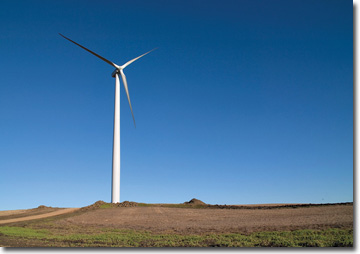
The Lakota call the wind tȟatė. In the days of warriors, they had another term for the spirit of the wind, Táku Wakȟáŋškaŋškaŋ. I’ve heard the term as used to mean “Something Holy Moving.” I like Albert White Hat’s translation of the word Wakan, in his efforts to cleanse and revitalize the Lakota language, in which he interprets it as “with-energy.” Something with great energy moving across the land perfectly describes the respect for the mystery of creation the Lakota held for when the clouds raced across the sky, the wind blowing across a vast ocean of native grasses, the very power of the wind. Today, scattered across the prairies are wind farms, taking the momentum – the energy – of the wind and convert it into electricity.


In the days of warriors, the Lakota believed that there lived a great giant in the far north, Wazíya, who blew his cold breath out across the land and visited frost on the grasses, leaves, and trees in the fall and spring, but as the rivers and streams froze, true winter tested the people with cruel stinging cold and pure white snow. Winter was a test of character.

The winter became a part of the culture for the indigenous. Many tribes marked the passing of seasons by the passing of winter. The new year began when the geese returned, when the trees began to bud, when the river ice broke, and when bison calves were born. In this observance of nature did the Lakota elders, holy people, and leaders gather together and name the previous year, or winter.

On the longest night of the year, the Lakota would reflect and pray in the way of the ancestors. Some still do this with a midwinter Iníkaǧapi, a cleansing ceremony.


There is another natural phenomenon, the sundog, which is revealed to the world each winter. For the ancient and medieval Christian it was regarded as an omen, of God’s impending judgment. Maybe a long ago priest interpreted the sundog as evidence of the Living Presence of the Holy Trinity appearing in the sky. For the Lakota, the sundog held the promise of the sun.

I saw a sundog recently. I had seen them as a child and had never once felt them as a sign of ominous peril. I remember being entranced by the halo of light, the arc from one sundog to its twin on the other side of the sun. Without possessing the language for what I felt then as I do now, I can truly tell you that even then I felt an overwhelming respect for the mystery of creation. Seeing a sundog recently rekindled the curiosity of youth that I asked my lekší, my uncle, about the sundog.

One said to me, the sundog was simply a natural sign which meant that the Lakota could expect cold weather. Another gave me the honest reply that he had not heard of a story associated with the sundog event.

The Lakota call the sundog Wíačhéič'ithi, which means The Sun Makes A Campfire [For Himself. The Plains Indian sign language, a mutually intelligible gesture language in use for communicating among the many tribes, articulates the sundog with the sign for sun (thumb and index finger making nearly a closed circle, tracing the sun’s arc in the sky) and the sign for fire (one hand, back down above the palm of the other, fingers of the top hand wiggling to and fro mimicking dancing flames).


The design above is most often regarded as an example of what is called the Black Warbonnet Society pattern. The very center pattern and the inner track of abstract feathers is certainly the Black Warbonnet pattern. The daystar, or sun, Aŋpó, was said to have worn a brilliant flaming headdress. It would seem that this particular execution of the Black Warbonnet pattern should be reexamined. The execution of the pattern with three medicine wheel centers, and arc of the second track of abstract feathers bears a striking semblance to the sundog phenomenon.

My lekší Cedric listened patiently to my petition for traditional knowledge regarding the sundog phenomenon. This is what he shared with me:

Being short with it, there is a story that my Uncle Ed told us when we were little guys. It occurred probably at a time when there was a severe cold time and there were lots of clouds, or the sky was grey. Many days had passed when the people went and had council with the elders of the camp.

It was directed after prayers and careful deliberation, that two fires were to be made in the east gate or opening of the camp circle. One of the elders then prayed to the east and asked for a break in the weather. As prayers were had, the sky began to light up and the clouds dissipated, winds calmed, and the sun rose.

As the elder prayed, the sun (wi) was on the horizon with the two fires on each side. Many witnessed this. Praying in the time of purification of the earth is sacred, especially in the morning, when the air is calm and your voice can be heard to the horizon.

The animals will let you know also when it is time to do these things.

This is what I remember of the story.


I share this short story with you. It’s not something that is in a book. Paul Goble hasn’t made a children’s book out of this story. It is living culture. It is tradition. There is more to learn and I’m a lifelong student.